
SOCIAL MEDIA ADDICTION AND ADHD
Social media addiction is all too common for adults with ADHD. This article provides five solutions to help you minimize your social media consumption.
Do you find yourself scrolling through Instagram or X?
Do you mindlessly open TikTok and then notice that hours have passed while scrolling?
Have you tried cutting back on using social media, only to be sucked right back in?
Consider this: You could be among the estimated 210 million people worldwide who are addicted to social media. Even if you don’t meet the technical criteria for addiction, you might still notice yourself spending more time than you’d prefer mindlessly scrolling on your phone.
While social media is not a drug, it acts as one. With ADHD, it is easy to spend your idle time on ‘autopilot’. In this state, it’s easy to let impulses take over your behaviors. Therefore, ADHD social media addiction feels all too familiar. The problem is because, since device use is so common and pervasive, it has become harder to ignore social media, than it is to open it and consume it. If not otherwise consumed with higher thinking or cognitive tasks, the ADHD brain can be easily captured and hijacked.
People with ADHD are even more likely to become dependent on social media because it’s so easy to consume. There are many fewer barriers than calling or visiting a friend in person. Social media, with its endless supply of new posts and videos, humor, entertainment, education, and opportunities to connect, makes it much harder to inhibit the social-verse for the ADHD mind, drawn to novelty.
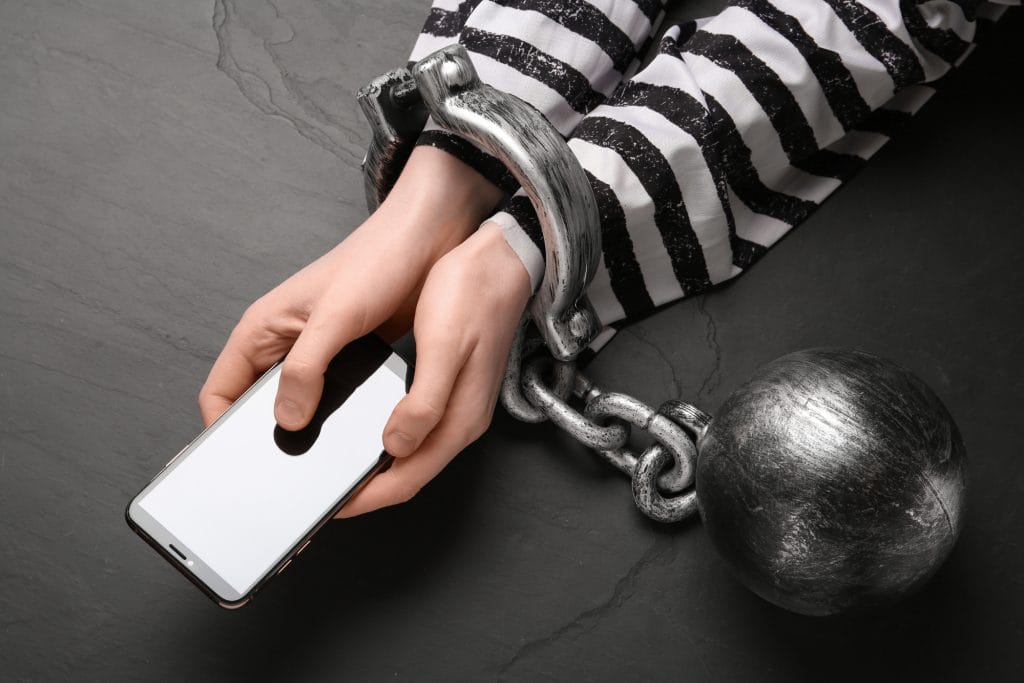
Another driver of social media addiction, is user design. All Apps and platforms capture their users’ attention, by design. Much like a controversial or outrageous news headline, apps like Instagram, Facebook, TikTok, and X provide a trigger that poses to instantly connect you to the ‘tribe’. Social media appeals to the ‘seeking’ behavior that dopamine is designed for. Therefore, it provides a known pay-offf with each new scroll. Additionally, adults with ADHD have lower dopamine levels than their neurotypical friends. So, since social media is a consistent source of dopamine, adults with ADHD might unconsciously keep reaching for a device just because they’re in a seeking mode. Furthermore, since ADHD adults are more likely to have symptoms of impulsivity, time blindness, and hyperfocus, these symptoms create a perfect storm for ADHD social media addiction.
With ADHD, Social media overuse and addiction is common. And, like any addiction, it negatively impacts people’s lives. Social media images and stories can often trigger symptoms and anxiety and depression, and studies have shown that it can also exacerbate ADHD symptoms. People with ADHD are also more likely to suffer from rejection sensitivity dysphoria, severe emotional pain when feelings of rejection come up. Social media can often leave you feeling inadequate, isolated, and dissatisfied, further exacerbating feelings of failure and rejection.
5 WAYS TO COPE WITH AN ADHD SOCIAL MEDIA ADDICTION
It is so easy to be sucked into the appeal of social media. Social media is not all bad, however, as it can offer a great source of connection with loved ones and information about the world. To limit your time on social media, and decrease your dependence on it, you can try the following five strategies:
Use Online Blockers
To limit your social media usage, you can start by utilizing one of the many free online blockers available. Freedom is a website blocker that can be adapted to your needs. You can choose the specific websites you would like to block, and the amount of time you would like to block them for. It might be best to start slow, blocking the websites for an hour at a time, and work your way to blocking for longer periods of time. Freedom users have reported gaining 2.5 hours of productivity per day!
Put your phone on Grayscale mode
To minimize the lure of social media apps, you can try putting your phone on grayscale mode. Studies have shown that grayscale removes positive reinforcement associated with the colors on social media apps, and makes it less appealing to scroll on social media. You can read this Wired article that walks you through how to turn your phone into grayscale mode. I have tried it myself and can attest that social media loses its appeal without its endless array of colors!
Distance yourself from your devices
You know the saying- out of sight, out of mind. Give this a try to reduce the lure of social media. You can create some distance from your phone, by keeping it in another room. A great time to implement this is an hour or two before you go to bed, as using your phone has a big effect on your sleep quality. Start small and work your way up! You can try putting your phone in a different room for 30-minute increments and go from there.
To override ADHD addictions, approach social intentionally
Intentionality can help you decrease your social media usage. Before mindlessly opening a social media app, you can ask yourself why you are using that app at that time. Is it because you want to connect with friends or family? Look at the news? Or just use it as a distraction to procrastinate? Once you determine your why, you can write down your goal before going into the app. Having this goal in mind can help prevent mindless scrolling. Approaching social media with intentionality can help you reduce your time on the apps and use them strategically when you want to connect or learn, rather than as a distraction.
Move your body and get away from your phone
Immersing yourself in an activity can be a great way to prevent social media overuse. You can start here, looking at 99 things to do instead of reaching for your phone. Some ideas include coloring, starting a yoga practice, baking, or picking up a book. You can also look at this list of hobby ideas for adults with ADHD with examples such as rock climbing, brewing beer, and solving puzzles. Immersing yourself in an activity outside of your phone is a great way to reduce the urge to mindlessly scroll.
Conclusion
It can be very easy to fall into social media overuse. If you feel like you are overly dependent on it, you are not alone! ADHD can make you more susceptible to the lure of mindless scrolling. You do not have to get rid of social media entirely to decrease your dependence on it. You can try the different five strategies and see if they make a difference in your social media use. To learn more tips to help you combat a social media addiction with ADHD, check out my article on how ADHD adults can avoid too much internet use. As a certified ADHD coach, I’d love to talk about minimizing your social media use with you and see if I can help. Book your free Discovery Call with me today.

Leave a Reply
You must be logged in to post a comment.